FoodReference.com 


Foodreference.com - Articles & Features Section
Food Articles and Beverage Articles - Essays and Articles about food, wine, beer and spirits history, science, culture, production, use and appreciation of food, wine, beer and other beverages.

. HOME . . Articles & Features . . Food Trivia . . Cooking Tips . . Recipes . . Quotes . . Who's Who . . Today in Food History . . Food Videos . . Food Trivia Quizzes . . Humor & Poetry . . Cookbook Reviews . . Food Posters . . Magazines & Catalogs . . Flowers . . Gourmet Tours . . Key West . . Cooking Schools . . Festivals & Shows . . Search .

Bookmark and Share 


Free Magazines


YOU ARE HERE >

 HOMEArticles & Features >  Food for Thought >

Next


See Also: Facts & Trivia and Cooking Tips

FOOD FOR THOUGHT - June 24, 2009
Mark R. Vogel - Epicure1@optonline.net - Mark’s Article Archive

To Air is Human


     Many years ago I was purchasing a bottle of wine, Barolo to be exact, in a wine shop with the woman I was then dating.  After ringing up my Piedmontese elixir the clerk strongly advised me to aerate the wine before serving it.  Unaware of my oenophilic expertise he instructed me to open the bottle and let it sit for an hour.  (More on that in a moment.)  Meanwhile, my erstwhile lady friend taunted me about my hoity-toity wine which needed to "breathe." 

     To the lay person, aerating a wine can certainly seem like a snobbish ritual; a pretentious formality designed to impress others and inflate one's ego.  I'm sure there are some poseurs out there who do so for such purposes.  For serious wine drinkers however, the seeming haughtiness is belied by the reality based reasons for aerating wine.

     For starters, the wine clerk in my introductory paragraph was amiss in his aerating instructions.  Merely uncorking a bottle of wine does not provide enough of an opening to truly let the wine breathe.  The wine should be decanted, i.e., poured into a decanter, a large glass vessel designed for aerating wine.  In addition to aerating the wine, decanting removes the sediment and can facilitate bringing a chilled wine up to the proper temperature. 

     Let's begin with aeration.  Why in the world does a wine need to breathe?  Very simple.  Certain wines will taste noticeably better after a brief period of being exposed to air.  By admixing with oxygen, the wine will “open up,” i.e., the range and depth of its flavors will expand.  This is especially true for very tannic wines.

     Tannins are a group of astringent compounds found in the skins, seeds, and stems of grapes.  White wine grapes have very small amounts so the whole tannin issue is usually confined to red wines.  Tannins imbibe the wine with backbone, texture, and also flavor.  Naturally, some red wines are more tannic than others.  When a wine higher in tannins is young, it can taste a bit harsh.  In young wines tannins are in their prime, or at their astringent peak shall we say.  But allow that wine to rest for many years and something wonderful transpires.  The tannins soften, gradually transforming and melding with the wine’s other constituents to produce a harmonious mélange.  Hence the reason why aging wine is also a reality based and not a snobbish practice. 

     Returning to decanting, as stated, all tannic wines will benefit from aeration, especially those from recent vintages.  When a young, tannic wine, one that ought to be spending another decade or so in the bottle is opened, aeration can attenuate the tannins’ harshness.  But even an older wine will still deepen in flavor and become more complex after a little breathing room. 

     Older wine brings us to the second reason for decanting:  reducing sediment.  Virtually all red wines, but especially tannic ones, will start to form sediment beginning at around seven years, give or take.  Sediment is composed of tannins and other trace elements that separate from the liquid and coalesce over time.  The last thing you want in your glass of wine is floaters.  To eliminate sediment, first stand your bottle of wine upright the day before serving it so the sediment can collect on the bottom.  In one continuous but gentle motion, slowly pour the wine into the decanter, holding the decanter on an angle, much like done with a beer mug to prevent excessive foam.  Keep an eye on the bottle’s shoulder (the point where it starts to curve inward toward the neck).  Professionals will place a candle or light just under the shoulder while pouring to enhance visibility.  When the sediment reaches the shoulder stop pouring.  Then allow the wine to rest in the decanter so any lingering sediment can gravitate toward the bottom.  Young wines that do not contain sediment can be summarily poured into a decanter without any of these procedures. 

     A final reason to decant is to bring a wine that has been stored up to a proper serving temperature.  The ideal temperature for wine cellars and wine storage units is in the mid to high 50’s.  However, the serving temperature for most tannic, red wines is around 10 degrees higher.  Pouring the chilled wine into a room temperature decanter will expedite its thermal trip to the target temperature. 

     Ok so who are all these tannic wines that need a little oxygen therapy before serving?  They are usually the heavy hitters of the wine world: tannic, robust and full bodied.  They include Bordeaux, Cabernet Sauvignon, Barolo, Barbaresco, Brunello di Montalcino, Syrah based wines, (especially the northern Rhone reds such as Hermitage, Cote Rotie, Cornas, St. Joseph, etc.), Malbec based wines such as those from Argentina or Cahors from France, and vintage ports.  Although not as tannic I would also decant higher quality Burgundies but for less time than the preceding examples.  There are even a few whites that may benefit from some aeration, for example full bodied white Burgundies and white Bordeaux.  

     Generally speaking, wines to be decanted are usually pricier.  Yes there are inexpensive Cabernet Sauvignons out there but the cheaper ones are inevitably lighter, thinner, or from inferior vintages; in a word, less tannic.  Malbec however, is a fiercely tannic wine that is also inexpensive.  With these exceptions aside, your average, economically priced, workaday wine designed for immediate quaffing and not aging, usually doesn’t need decanting.

     Decant your wine for 30 to 60 minutes, (the more tannic the longer).  Choose a decanter that does not have an overly wide, flared base nor too narrow an opening.  Too wide a base or too narrow an opening does not allow for an optimum air-to-wine interaction rate.  You do not need an expensive one.  If you wish to purchase a $250 fine crystal decanter that’s up to you.  What's vital is the aforementioned functional aspects of the decanter, not its pretentiousness. 

     Decanting, when done correctly with the appropriate wines, is a procedure designed to improve the wine.  It is not done for ostentation or tradition.  Decanting wine for the right reasons is down to earth and indeed a breath of fresh air.

Also Visit Mark’s website: Food for Thought Online
 

‘Food for Thought’ by Mark Vogel is published every Wednesday.
Mark Vogel Interview

Archive of previous articles by Mark Vogel:

* The Stock Market
* Real Strawberries
* Crabs Are Delectable
* Burgundy
* The Right Cookware
* Where’s the Beef?
* A Matter of Taste
* Alien Vegetables
* Don’t be Chicken
* From Russia with Love
* Breaking the Rules
* Biscuits & Gravy
* They’re Grrrrreat!
* The Key to Cooking
* Vampire Repellant
* It’s The Great Pumpkin
* Autumn’s Ambassadors
* What’s in a Name?
* Red Wine & White Meat
* Let’s Talk Turkey
* French Food
* Butter’em Up
* Holiday Hors d’oeuvres
* Christmas Bread Pudding
* The Woes of Dieting
* Braising in winter
* Fiesta
* Knives
* Hail Caesar!
* Sweet Tarts
* Food of Love
* Happy as a Clam
* Asparagus: Spring
* New Orleans Classics
* Sweet Taste of Success
* Spice Up Your Life!
* Some Like it Hot
* Beauty is in the Taste
* Easter Roasted Lamb
* Hot Little Farm in N.J.
* All Choked Up
* A Noodle by Any Other Name
* Getting Saucy!
* Follow the Recipe
* Fast Food
* Unscrambling the Egg
* Fire up the Grill!
* When Harry Met Saucy
* Waiter, My Soup is Cold!
* Chianti
* A Hill of Beans
* Cooking With Brains
* Un-Wimpy Burgers
* Rocket Man
* So You Want to be a Chef
* Cilantro
* A Standard For All Seasons
* SEAR-ious Flavor
* Cooking Phobia
* Liguria
* Send it Back
* Into the Frying Pan
* When Opposites Attract
* When Recipes Go Awry
* The Fungus Among Us
* I Think, Therefore I Don’t Eat
* Devilishly Good Food
* Party Time
* Have a Little Taste
* What’s Up Doc?
* On the Side
* A Bad Taste in Your Mouth
* No Whey!
* Variety is the Spice of Life
* Holiday Party Hors d’oeuvres II
* Champagne
* Blanching 101
* Gourmet Food
* Something Fishy Going On
* Provence
* No Substitutions Please
* The Taste of Texas
* Popeye’s Secret Weapon
* Red Meat, White Lies
* Turn the Dial to Broil
* Custard’s Last Stand
* Caveat Emptor
* Easter Pie
* Bordeaux
* Peas in a Pod
* The Mousse is Loose!
* In the Thick of It
* The Double-Edged Sword
* Wine and Dine
* Chuck Wagon
* Timing is Everything
* Almond Joy
 

* Cheers Comrade
* Comfort Food
* Suzette: Woman of Mystery
* A Recipe for Success
* License to Chill
* Summer Salads
* Poaching 101
* When Life Gives You Lemons.
* You Are How You Eat
* Garden Variety
* Tomatoes
* To Complain or Not
* Peel Out!
* In the Nick of Thyme
* I Left My Heart in San Francisco
* The Root of the Matter
* The Big Apple
* The Cost of Convenience
* The Legacy of the Huntress
* The Devil’s Seed
* Paradise by Stovetop Light
* Put a Cork in It
* On the Side II
* When Worlds Collide
* The Tree of Life
* Holiday Hors d’Oeuvres III
* Culinary Connections
* Ladies of the Evening
* Let Them Eat Cake
* Wine Snobbery
* Marinades & Rubs
* What’s the Difference
* Up Against the Wall
* Get A Leg Up
* That’s What They Say
* Hot & Steamy
* Cooking with Wine I
* Cooking with Wine II
* Spring Delicacies
* Cornwall, Legends, etc.
* Swiss Chard
* Matzo
* Go With Your Gut
* Trout: Fit for a King
* What’s the Difference 2
* For Whom the Bell Tolls
* I Did It My Way
* Any Port in the Storm
* Corned Beef’s Finest Hour
* What’s Your Excuse
* Summer Salads II
* Fruit of the Conquistador
* Sichuan
* Debunking the Myths
* Roux the Day
* A Nut from America
* Dangerous Liaisons
* When the Cat’s Away...
* The World is Your Oyster
* Salt of the Earth 1
* Salt of the Earth 2
* Fancy That
* The Boiling Point
* Using Your Noodle
* Look Ma, One Hand!
* Poblanos
* A Matter of Trust
* Friuli
* A Witch in the Rye
* Cool as a Cucumber
* Can You Eat That?
* Fond Memories: Deglazing
* Leaving Turkey Aside
* Barolo: Hail to the King
* The Upper Crust
* Cutting the Mustard
* Holiday Baking
* Dining on Death Row
* What’s for Breakfast
* Eggs Benedict: Nothing’s Over Easy
* Hollandaise
* The Qualities of Quality
* Mix It Up
* Wine Anxiety Disorder
* Cod: British Gold
* What Are You Looking At?
* Potatoes I
* Potatoes II
* Potatoes III
* A Penny Saved is a Penny Earned
* Nothing To Sneeze At
* Cream of the Crop
* Defining Moments
* Do You Measure Up?
* Cooking Outside the Box
* A Recipe for Recipes
* You Want Rice With That?
* The Art of Dining
* Time to Put the Hammer Down
* Basil: Saint or Sinner?
* No It Isn’t
* A Good Ribbing
* Summer Salads III
* Make a Mussel

* Ignorance Is.......
* Bread and Batter
* The Spice of Angels
* Supermarket Shenanigans I
* Supermarket Shenanigans II
* Born to Roast 1
* Born to Roast 2
* This Little Piggy I
* This Little Piggy 2
* As Time Goes By
* Going Bananas
* Comrades in Food, if Not in Arms
* Deciphering Wine Labels
* Let’s Go Dutch
* The Bug Buffet
* Stuff It
* It Was A Very Good Year
* On the Side III
* Now That’s Italian I
* Now That’s Italian II
* Holiday Party Hors d’Oeuvres 4
* Round and Round
* Corkage Fees Uncorked
* Flour Power I
* Flour Power II
* Eggplant: Botanical Identity Crisis
* The James Bond Diet
* Happy Chinese New Year
* First Date Food
* A Method to the Madness
* Simmering 101
* Sticker Shock
* Happy St. Patrick’s Day
* Soup’s On!
* The Other White Wine
* Beeting the French
* Black Eyed Peas
* All You Can Eat
* Switch Hitters
* The Salmon of Wisdom
* En Papillote
* The Crap Shoot
* To Sauce or Not to Sauce
* The Best of Both Worlds
* What’s the Green Stuff?
* Silence is Golden
* Sauternes
* Summer Salads IV
* Maximizing Flavor I
* Maximizing Flavor II
* Under the Gun
* Stir Frying
* A Good Tongue-Lashing
* A-Maize-ing I
* A-Maize-ing II
* Hanlon’s Razor
* The Angel’s Share
* Lobster a l’Americaine
* Location, Location, Location
* Sandwiches
* Deep Frying I
* Deep Frying II
* A Monarch and a Pear Tree
* At Your Service
* Chicken Soup 101
* Off With Their Heads!
* Dressed to Kill Dinner
* The Invisible Hand
* On The Side IV
* How Sweet It Is
* Soaking Wet
* A Nut from Hawaii
* Rare is Getting Rarer
* Linzer Cookies
* In Vino Veritas
* Grazing the Bar
* What do you Expect?
* High Five
* Pâté
* Reviewing the Reviewers
* Food of Love
* Remember Rosemary?
* A la Normande
* Keep Off My Food
* The Bum’s Rush
* Doing the Can-Can
* Flavored Oils
* Barbera & Dolcetto
* The Whole Fish II
* Table Manners
* A Sticky Situation
* Healthy Diet, Unhealthy Mind
* A Mexican Feast
* The Dragon Herb
* Mr. & Mrs Scallop
* Funny Bones
* Fat Is Where It’s At!


‘Food for Thought’ by Mark Vogel is published every Wednesday.
Mark Vogel Interview

Archive of previous articles by Mark Vogel at bottom of page

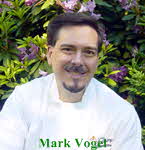
Mark Vogel - May 2006

Mark Vogel is a graduate of the Institute of Culinary Education in New York City.  He also has a BA in economics and Master's and Doctorate degrees in psychology.  Over the past two decades he has worked as a waiter, bartender, chef and manager in an array of restaurants.  Currently he is a culinary instructor and food writer.  His column "Food for Thought" is published in a variety of periodicals and websites. 
Mark R. Vogel -
Email:  Epicure1@optonline.net
Mark’s Website:
www.foodforthoughtonline.net


. HOME . . About & Contact . . Links . . Search .

Please feel free to link to any pages of FoodReference.com from your website.

All contents of this website are copyright © 1990 - 2009 James T. Ehler and FoodReference.com unless otherwise noted. All rights reserved. You may copy and use portions of this website for non-commercial, personal use only. Any other use of the materials in this website without prior written permission is prohibited.

Contact:  james@foodreference.com