FoodReference.com (since 1999)
COOKING TIPS AND HINTS SECTION
Home | Articles | Food Trivia | Today in Food History | Food Timeline | Recipes | COOKING_TIPS | Food Quotes | Who’s Who | Culinary Schools & Tours | Food_Trivia_Quizzes | Food Poems | Free Magazines | Food Festivals and Events
Cooking and Kitchen Tips and Hints, Measurements, Shopping Advice, Serving Ideas, etc.

See also: Article on Cranberries
CRANBERRIES
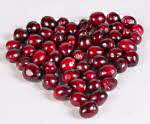
When buying cranberries, they should look shiny and plump, with a bright color (light or dark red). Good, ripe cranberries will bounce. Bounceberry is another name for them.
Cranberries should be cooked only until they 'pop'. Overcooking gives them a bitter taste.
Cranberries can be kept refrigerated in their original, unopened plastic bags for one or two months. They can be kept frozen for 8 to 9 months. Cooked, they can be kept refrigerated for up to a month in a covered container.
A number of varieties of fresh cranberries are marketed in large volume from September through January. They differ considerably in size and color, but are not identified by variety names in your food store.
Look for: Plump, firm berries with a lustrous color provide the best quality. Duller varieties should at least have some red color.
Avoid: Brown or dark, discolored berries and soft, spongy, or leaky berries should be sorted out before cooking, because they may produce an off-flavor
COOKING TIPS
Please feel free to link to any pages of FoodReference.com from your website.
For permission to use any of this content please E-mail: james@foodreference.com
All contents are copyright © 1990 - 2025 James T. Ehler and www.FoodReference.com unless otherwise noted.
All rights reserved. You may copy and use portions of this website for non-commercial, personal use only.
Any other use of these materials without prior written authorization is not very nice and violates the copyright.
Please take the time to request permission.