FoodReference.com (since 1999)
COOKING TIPS AND HINTS SECTION
Home | Articles | Food Trivia | Today in Food History | Food Timeline | Recipes | COOKING_TIPS | Food Quotes | Who’s Who | Culinary Schools & Tours | Food_Trivia_Quizzes | Food Poems | Free Magazines | Food Festivals and Events
Cooking and Kitchen Tips and Hints, Measurements, Shopping Advice, Serving Ideas, etc.

See also: Canned Green Beans; Bean Article;
Fresh Bean Article; Bean Trivia; etc. Green Bean Recipes
Green Beans
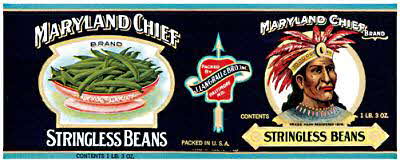
When buying snap beans (green or yellow) look for a fresh, bright appearance with good color. Pick young, tender beans with crisp, firm pods.
AVOID: wilted or flabby bean pods, serious blemishes or decay. Beans with thick, tough fibrous pods were picked past their prime.
AVAILABILITY: Fresh green beans are available all year, with a peak season of May to October. Green beans are also available canned and frozen.
SELECTION: It is best to handpick green beans from a market that sells them loose. To ensure uniform cooking time, select beans of similar size and shape. Choose slender beans (no thicker than a pencil) that are crisp and free of blemishes. The beans should be a bright green color. Do not purchase beans that are stiff or have the seeds visible through the pod because those beans will be tough.
STORAGE: Keep green beans dry in a perforated plastic bag in the refrigerator. They should stay fresh for 4 to 5 days.
PREPARATION: Wash beans thoroughly in clear, cool water. Beans can be cooked whole, cut crosswise or diagonally, or French-cut (i.e., cut along the length of the bean). If you want sweet tasting, crisp fresh beans, cut them as little as possible. Cut older, more mature beans in the French style (i.e., lengthwise).
Green beans are often called string beans because years ago a fibrous string ran along the seam of the bean. The string was noticeable when you snapped off the ends. The snapping noise is the reason for its other nickname.
CDC.gov - 5 a Day
COOKING TIPS
Please feel free to link to any pages of FoodReference.com from your website.
For permission to use any of this content please E-mail: james@foodreference.com
All contents are copyright © 1990 - 2025 James T. Ehler and www.FoodReference.com unless otherwise noted.
All rights reserved. You may copy and use portions of this website for non-commercial, personal use only.
Any other use of these materials without prior written authorization is not very nice and violates the copyright.
Please take the time to request permission.