FoodReference.com (since 1999)
COOKING TIPS AND HINTS SECTION
Home | Articles | Food Trivia | Today in Food History | Food Timeline | Recipes | COOKING_TIPS | Food Quotes | Who’s Who | Culinary Schools & Tours | Food_Trivia_Quizzes | Food Poems | Free Magazines | Food Festivals and Events
Cooking and Kitchen Tips and Hints, Measurements, Shopping Advice, Serving Ideas, etc.

See also: Article on Apples; Apple Trivia; Apple Quotes
See also: individual apple varieties
APPLES
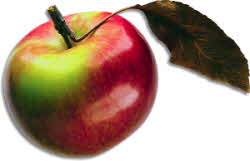
Apples, like potatoes, will turn brown when cut and exposed to air. Tossing the cut apples with lemon juice or white wine inhibits the discoloration. Cortland and Golden Delicious apples do not discolor as quickly as other apple varieties.
Keep apples cold - they lose flavor and crispness almost 10 times faster at room temperature.
Apples absorb odors. They emit ethylene gas, which causes other fruit to ripen quicker.
Store apples at 35 degrees F, 80% humidity to prevent dehydration.
When cooking fresh apples for pies or sauces, the yield is about 50%.
1 cup sliced or chopped apples = 1 medium apple.
1 pound raw = 1/2 pound cooked.
Use tart apples for apple pie.
Apples, pears and potatoes dropped in cold, lightly salted water as they are peeled will retain their color.
The many varieties of apples differ widely in appearance, flesh characteristics, seasonal availability, and suitability for different uses.
For good eating as fresh fruit, the commonly available varieties are: Red Delicious, McIntosh, Granny Smith, Empire, and Golden Delicious. For making pies and applesauce, use tart or slightly acid varieties such as Gravenstein, Grimes Golden, Jonathan, and Newtown.
For baking, the firmer fleshed varieties -- Rome Beauty, Northern Spy, Rhode Island Greening, Winesap, and York Imperial -- are widely used.
When purchasing fresh apples, look for:
Firm, crisp, well-colored apples. Flavor varies in apples, and depends on the stage of maturity at the time that the fruit is picked. Apples must be mature when picked to have a good flavor, texture, and storing ability. Immature apples lack color and are usually poor in flavor. They may have a shriveled appearance after being held in storage.
Most apples are marketed by grade, and consumer packages show the variety, the grade, and the size. U.S. grades for apples are: U.S. Extra Fancy, U.S. Fancy, U.S. No. 1, and combinations of these grades. U.S. Utility is a less desirable grade. Apples from the far Western States are usually marketed under State grades which are similar to the U.S. grades.
Avoid: Overripe apples (indicated by a yielding to slight pressure on the skin, and soft, mealy flesh) and apples affected by freeze (indicated by internal breakdown and bruised areas). Scald on apples (irregularly shaped tan or brown areas) may not seriously affect the taste.
COOKING TIPS
Please feel free to link to any pages of FoodReference.com from your website.
For permission to use any of this content please E-mail: james@foodreference.com
All contents are copyright © 1990 - 2025 James T. Ehler and www.FoodReference.com unless otherwise noted.
All rights reserved. You may copy and use portions of this website for non-commercial, personal use only.
Any other use of these materials without prior written authorization is not very nice and violates the copyright.
Please take the time to request permission.