See also: Cilantro
CORIANDER
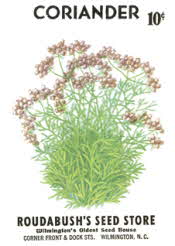
Coriander seed is the dried ripe fruit of the herb, Coriandum sativum, a member of the parsley family. It is native to the Eastern Mediterranean region and thrives in temperate climates.
Coriander spans the culinary globe and is featured in a variety of cuisines, including Southwestern, Latin, Caribbean, Mexican, Mediterranean, North African, Indian, and Southeast Asian.
Although coriander has broad global roots, it is the perfect choice for supporting the fresh flavors of spring’s best-loved dishes – sweet and savory. The slightly sweet, citrus-like notes of its seeds complement a variety of seasonal favorites, including chicken, lamb, pork, fresh peas, shrimp, fish, fruits, and more. Its leaves, on the other hand, have a fresh grassy, lemony flavor and aroma and provide a delicious accent to new potatoes, ham, salmon, eggs, pasta, sauces, and green beans.
Coriander is believed to be one of the most ancient herbs, as evidenced by references as far back as 1550 B.C. It was also mentioned in the Bible and found in tombs of pharaohs.
Additionally, coriander is believed to have been one of the earliest plantings in North America, where its leaves, rather than its seed, became popular. The coriander plant is an annual that grows to 32 inches high, and has dark green, fan-shaped leaves. Small umbrella-shaped, pale flowers produce the seeds. McCormick - Spices & Seasonings - www.mccormick.com/
"....while visions of sugarplums danced in their head". Those famous sugarplums which fill children's dreams at Christmas were originally sugar coated coriander, a treat that offered a sweet start and then a spicy burst of flavor. Later the recipe included small bits of fruit and became the confection we know today.
Coriander is mentioned as an aphrodisiac in ‘The Tales of the Arabian Nights’.
Also see: Food Articles and Cooking Tips
You are here > Home >
Please feel free to link to any pages of FoodReference.com from your website.
For permission to use any of this content please E-mail: james@foodreference.com
All contents are copyright © 1990 - 2025 James T. Ehler and www.FoodReference.com unless otherwise noted.
All rights reserved. You may copy and use portions of this website for non-commercial, personal use only.
Any other use of these materials without prior written authorization is not very nice and violates the copyright.
Please take the time to request permission.
FOOD TRIVIA and FOOD FACTS

Popular Pages
CULINARY SCHOOLS
& COOKING CLASSES
From Amateur & Basic Cooking Classes to Professional Chef Training & Degrees
Home | Articles | FOOD TRIVIA | Today in Food History | Food_Timeline | Recipes | Cooking_Tips | Food Quotes | Who’s Who | Culinary Schools and Tours | Food_Trivia_Quizzes | Food Poems | Free Magazines | Food Festivals & Events
FoodReference.com (since 1999)
FOOD TRIVIA and FOOD FACTS SECTION